
Practical insights for hospitals and clinics alike — from capturing every charge and running multiple branches to going paperless and choosing the right software. Use the filter to see what fits you.

Separate tools for billing, pharmacy and wards quietly add manual work, errors and cost. See what fragmented systems really cost a hospital.

When departments share the right information at the right time, care moves faster. Why unified systems are the smarter path.

Switching hospital software feels risky, so many delay it. The real hesitations and how a phased, supported move overcomes them.

What pharmacy management software does, its key features and why going digital makes a pharmacy faster, safer and more accurate.

What actually changes when you move your records off paper, and how to make the switch without disrupting your days.
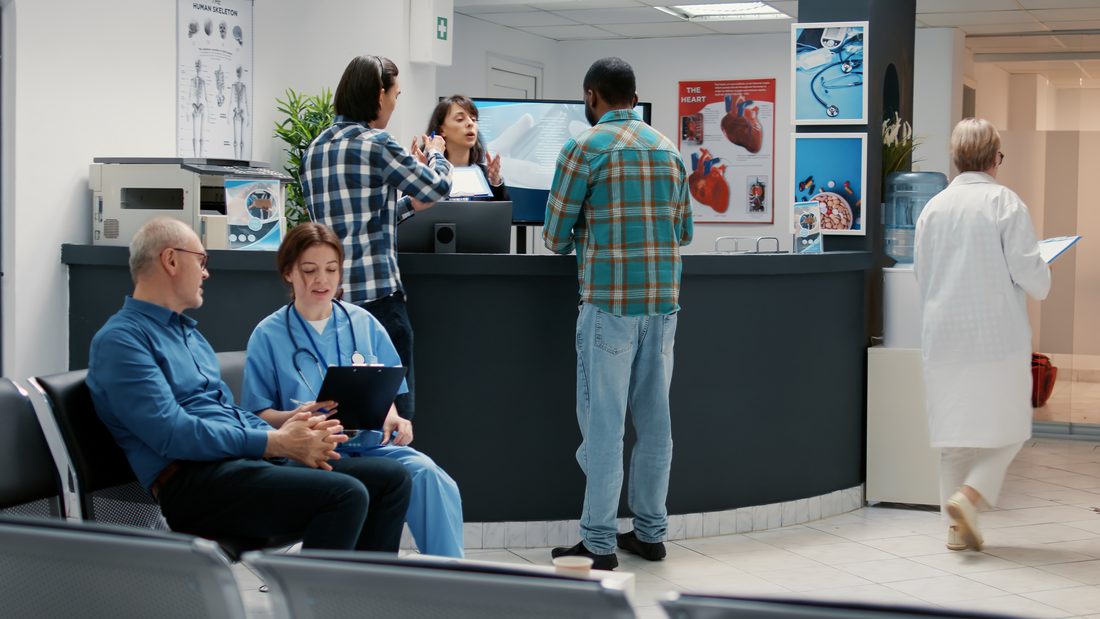
Why patients wait longer than they should, and how a simple queue system fixes it without adding front-desk work.

A clear way to work out what your clinic actually needs, so you do not pay for a long feature list you will never touch.

What doctors need to know about healthcare data breaches, what patient data needs protecting, and six practical steps to secure it.
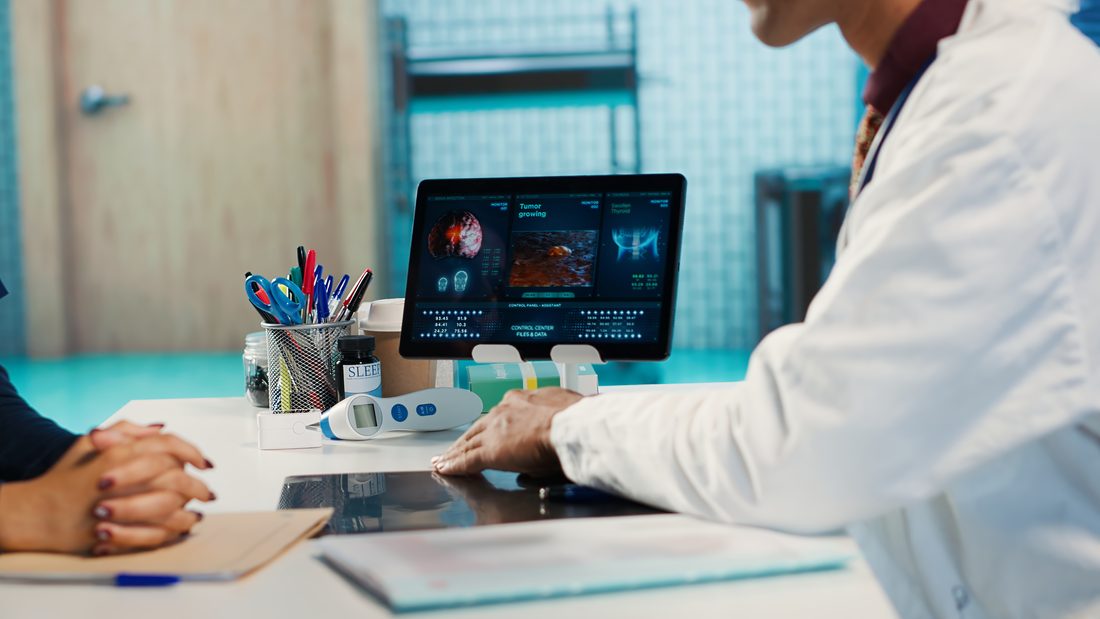
How connecting your EMR across departments cuts duplicate work, improves care coordination and streamlines daily workflow.

Why digital prescriptions cut errors, speed up consultations and improve patient safety, and what to look for when adopting one.
Hospitals and clinics today are expanding beyond single locations. Multi branch hospitals allow care providers to serve more patients, improve access.
From the recent Times of India report, theRajendra Institute of Medical Sciences (RIMS)in Ranchi recently rolled out an e-prescription system.
From the recent DigitalHealthNews report, Kerala recently made headlines by equipping313 government hospitalswith digital payment infrastructure.
Imagine receiving medical care from the comfort of your home or tracking your health in real-time with wearable devices. This is no longer a.
Despite the undeniable benefits of healthcare technology, many doctors in India are still reluctant to adopt digital tools. From Electronic Medical.
Managing a single healthcare practice can be challenging. When a healthcare group operates across multiple locations, the level of complexity.
In the digital age, Electronic Medical Records (EMRs) have revolutionized healthcare management. Yet, without proper integration, even the most.
The healthcare industry is on the brink of a revolution and at the heart of this transformation is Artificial Intelligence (AI). From diagnosing.
In the digital age, data is a powerful tool for healthcare providers looking to improve patient experience and operational efficiency.Google.
The healthcare industry is one of the most heavily regulated sectors, with government regulations constantly evolving to ensure patient safety, data.
In today’s healthcare landscape, efficiency and accuracy play a vital role in delivering better patient outcomes. For healthcare providers, EMR.
For doctors and healthcare providers, the patient's journey begins the moment a patient chooses the hospital. Every interaction from registration to.
In a recent development Hindustan Times , three departments atPGIMER Chandigarhincluding skin, orthopedics and endocrinology have rolled outDigi.
In a recent Times of India report, the Jhansi Division launched a digitalFeedback System at all CHCs, enabling patients and their families to.
Imagine a healthcare system where patient information flows seamlessly between departments, providers and even across hospitals. No delays, no.
Every doctor knows the feeling of a message on a late evening:"Doctor, I have a quick question..."One query turns into five and suddenly, you're.
The healthcare industry is undergoing a digital transformation and one of the most significant shifts is the adoption ofcloud-based Electronic.
Paper medical records have served healthcare for decades. They feel familiar and many teams know how to manage files quickly. But as patient volumes.
The world is changing like never before and technology has become the need of the hour with healthcare. During a time where the virus is wreaking.
In today’s digital healthcare landscape,patient data protectionis a top priority. With the rise of Electronic Medical Records (EMRs) , telehealth.
Making payments at a hospital can feel stressful. Long queues, last minute cash arrangements and complicated billing steps often add to the pressure.
As the world continues to change and the need for technology becomes more and more important with every passing day, it becomes all the more.
Modern IVF care is no longer just a clinical process. It is a journey filled with important steps, sensitive timelines and emotional moments for.
In today's competitive and fast-evolving healthcare landscape, hospitals can no longer afford to operate with fragmented or manual systems..
Healthcare delivery is one of the most critical aspects of modern society, yet it faces numerous challenges that impact patients, providers and.
Modern hospitals handle thousands of tasks every day. Patient registrations, emergency cases, lab tests, pharmacy requests and billing activities all.
In modern healthcare, accurate laboratory results play a major role in diagnosis, treatment and patient safety. Behind every lab report, there is a.
IVF is a journey of hope, resilience and a wish to start a family. It is much more than just a medical procedure. Each couple enters a fertility.
In today’s fast changing healthcare environment, hospitals are always looking for reliable ways to improve patient experience and reduce the workload.
The way healthcare functions has transformed significantly over the past decade. Hospitals, clinics and even small medical practices are moving away.
In modern hospitals, lab reports guide some of the most important clinical decisions. A single test result can change a diagnosis, adjust a medicine.
In today’s digital-first world, patients expect the same level of convenience from healthcare providers as they do from banks, travel services or.
Establish Trust, Increase Bookings and Stay Competitive in the Digital.
A hospital website is your digital front door. It is often the first-place patients or family members visit when they are looking for trusted care..
Electronic Medical Records (EMR) are the backbone of modern medical practices, streamlining patient care, improving efficiency and ensuring.
In the healthcare industry, trust and credibility are everything. Patients are not just looking for medical expertise; they’re seeking a healthcare.
In today’s digital age, having a strong online presence is essential for healthcare providers to attract new patients and grow their practice. One of.
In today’s rapidly advancing healthcare environment, digital records are no longer just a convenience, they are essential. For doctors managing.
In today’s healthcare landscape, patient satisfaction goes far beyond the quality of care provided during a visit. With increasing competition and.
Imagine a world where every dentist’s clinic is thriving, where patients easily find the right dental care and where dentists themselves feel more.
Gone are the days of deciphering handwritten prescriptions, dealing with misplaced notes, or facing delays in medication fulfillment. Digital.
In today’s healthcare landscape, patients no longer choose a doctor solely based on referrals or proximity. They turn to something far more.
Imagine a patient in your area searching for a doctor. Would your clinic or hospital appear among the top results? If not, you could be losing.
As a doctor, your days are filled with patient care, critical decisions and the constant pressure to stay on top of administrative tasks. The right.
Missed appointments remain a significant challenge for hospitals, leading to financial losses, underutilized resources and disruptions in patient.
In a fast-paced clinic, decisions are made every minute, often based on instinct, experience and patient history. But what if those decisions could.
Thepayer-provider relationshiphas historically been strained due toadministrative inefficiencies, claim denials, and delayed reimbursements. These.
Managing patient relationships in healthcare is more complex than in other industries. From appointment scheduling and follow-ups to treatment plans,.
In today's digital-first world, having ahealthcare websiteis no longer optional, it's essential. But not just any website; you need adomain name for.
Businesses are booming and with access to capital being made available to new businesses, competitiveness and providing that extra care, extra.
Dentistry today is very different from what it was a decade ago. Modern practices are moving toward digital systems that make patient care smoother,.
In today’s fast-paced healthcare environment, effective communication is key to delivering exceptional patient care. Patients want to feel heard,.
Imagine a practice where patient records are instantly accessible, prescriptions are sent digitally and appointments are managed seamlessly, all.
In the fast-paced world of healthcare, patient safety and adherence to prescribed treatments are critical. Yet, one of the biggest challenges.
Access to quality healthcare has always been a challenge, especially for patients in remote and underserved areas. However, telemedicine is rapidly.
Growing a single branch practice is a big achievement. More patients means more trust, better reputation and stronger revenue. But growth is not just.
In the modern healthcare landscape, data is king. Electronic Medical Records (EMRs) have revolutionized how patient information is stored and.
In today’s digital age, social media is more than just a platform for sharing memes and staying connected with friends, it’s a powerful tool for.
In an era where efficiency and patient satisfaction are paramount, healthcare providers are constantly seeking innovative ways to streamline.
Starting your own dental clinic is an exciting step toward building your brand and offering quality care on your terms. But alongside the medical.
In today’s fast-paced world, patient engagement is more critical than ever. From the moment a patient schedules an appointment to the follow-up after.
Artificial intelligence is steadily becoming a practical part of everyday healthcare. It is no longer a distant concept limited to technology.
The healthcare industry is undergoing a digital transformation, with technology playing a pivotal role in improving patient care, streamlining.
COVID-19 has adversely affected the healthcare industry and it’s demands are multiplying with every passing day. Patients are under lockdown and.