What Is a Conversational Bot?
The New Digital Helper Every Hospital Needs
In today’s fast changing healthcare environment, hospitals are always looking for reliable ways to improve patient experience and reduce the workload on staff. One technology that has quickly become essential in modern hospitals is the conversational bot. It is simple to use, available all the time and helps hospitals handle communication smoothly. But what exactly is a conversational bot and why is it becoming an important digital helper for healthcare facilities
Understanding a Conversational Bot
A conversational bot is a program that interacts with people through text or voice. It is also popularly known as a chatbot . You can find it on hospital websites, mobile apps and messaging platforms. When a patient asks a question, the bot responds immediately. It uses natural language understanding to identify what the person needs and provides the correct information or action.
Instead of making a patient wait on a call or search across multiple pages, the bot answers common questions instantly. It works like a friendly digital assistant that is always available and always ready to help.
Why Hospitals Need Conversational Bots
Hospitals manage hundreds of patient interactions every day. Calls, messages, appointment requests and information queries fill the front desk. A chatbot helps automate these routine interactions so the staff can focus on important clinical work.
Instant Answers to Patient Questions
Patients often ask simple questions such as visiting hours, doctor timings, available services or location details. Answering these repeatedly consumes staff time. A chatbot can respond to these questions instantly and accurately at any time of the day. This reduces waiting time for patients and improves their experience.
Easy Appointment Booking
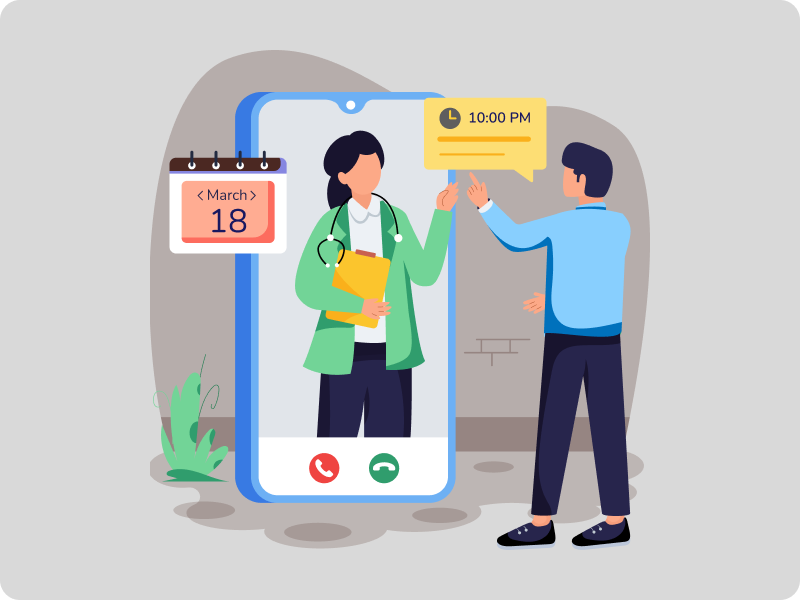
A bot can guide patients through the appointment booking process. It can show available slots, help select a doctor and confirm the appointment. Everything can be done in a few simple steps without calling the hospital. This makes the workflow easier for both patients and staff.
Support in Multiple Languages
Many chatbots can understand and respond in regional languages. This is especially helpful in places where patients prefer to communicate in their local language. When patients feel understood, they feel more comfortable and confident while interacting with the hospital.
Available Round the Clock
A chatbot works without breaks. Even at late hours patients can ask questions, book appointments or get information. This ensures that the hospital remains connected and helpful at all times, which builds trust and reliability.
Getting Started with Chatbots: Where to Begin?
If your hospital is getting started with a chatbot, the best place to begin is where patients interact the most. The hospital website is usually the first stop because patients visit it to search for information, check services and book appointments. After this initial interaction, the mobile app becomes a helpful space for ongoing support and follow up communication.
1. Chatbot on the Website
A chatbot can guide patients the moment they arrive on the website. It answers common questions, shares the hospital location, explains available treatments, provides doctor details and reduces the need to call the hospital for basic information. This creates a smoother experience and saves time for both patients and staff.
2. Chatbot in the Mobile App
A chatbot inside the mobile app supports patients throughout their care journey. It sends reminders, appointment updates and simple instructions whenever needed. Patients always feel supported because they receive quick and accurate answers exactly when they need them.
By starting with these areas, hospitals can remove communication barriers and offer quick guidance. Instant support through simple conversations makes the patient experience more comfortable and connected.
Ready to see chatbots in action? Explore JGDHealth today.
The Future of Hospital Communication
Chatbots are becoming a natural part of the way patients interact with hospitals. They make information easy to reach, simplify routine tasks and ensure patients always feel guided and supported. Introducing a chatbot is a small step that brings long term value. It helps hospitals stay modern, responsive and patient friendly. As patient expectations continue to grow, hospitals that adopt this technology will be well prepared to offer care that is organised, accessible and reassuring.