How EMR Integration Supports the Complete Patient Journey
In today’s healthcare landscape, efficiency and accuracy play a vital role in delivering better patient outcomes. For healthcare providers, EMR integration (Electronic Medical Record integration) is no longer just about storing digital records; it is about connecting every stage of the patient's journey. From the first appointment to post treatment recovery, an integrated EMR system ensures smooth coordination between departments, improves communication and reduces administrative effort.
When hospitals and clinics embrace EMR integration, they move toward a more connected and patient centered experience. Every process works together seamlessly, ensuring that patients receive timely, informed and reliable care.
1. Seamless Appointment Booking
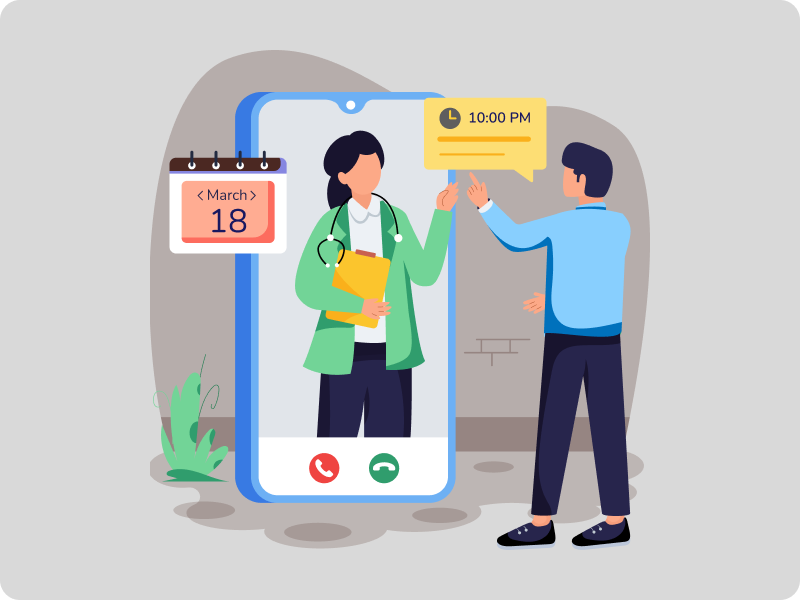
The journey begins with appointment scheduling and EMR integration makes it effortless. Patients can easily book appointments online or through a phone call. The moment the appointment is scheduled, the details are automatically updated in the EMR system.
This eliminates the need for staff to manually enter patient information, which reduces errors and saves valuable time. Doctors can access these details before consultations, helping them prepare and offer personalized care. It also ensures that front desk teams spend less time on repetitive tasks and more time assisting patients who need in person support.
2. IVR Integration with Medical Data
When a patient contacts the hospital using an Interactive Voice Response (IVR) system, EMR integration allows the care team to instantly access their medical history and records. This connected setup ensures that every call is handled with full context.
For example, when a patient reports symptoms, requests a follow up or asks about medication instructions, the provider can view their EMR in real time. This enables accurate and quick responses. With IVR and EMR working together, communication becomes more efficient, enhancing both patient satisfaction and staff productivity.
3. Automated Prescription Storage
Once a consultation is complete and the doctor prescribes treatment, the details are automatically and securely stored in the patient’s EMR. This feature removes the risk of manual transcription errors that often occur with handwritten or unlinked systems.
The stored prescriptions can be accessed by pharmacies, ensuring the correct medicines are dispensed every time. It also maintains a permanent digital record of the patient’s treatment history, which helps in future consultations and long-term care management.
4. Billing and Insurance Made Simple
EMR integration plays a crucial role in simplifying billing and insurance processes. By linking consultations, prescriptions, diagnostics and treatments directly to each patient’s EMR profile, it ensures billing is accurate and transparent.
Automated invoice generation and easy data access help reduce human errors and speed up insurance claim approvals. This not only improves financial operations but also reduces disputes and delays, ensuring faster reimbursements and better cash flow for healthcare providers.
5. Proactive Reminders and Alerts
An integrated EMR system can automatically generate reminders for important healthcare milestones such as vaccination schedules, follow up visits or ongoing treatment reviews. These timely alerts encourage patients to stay engaged in their care plan and reduce the number of missed appointments.
For providers, these reminders improve continuity of care and help maintain patient trust. Over time, proactive alerts ensure better health outcomes, as patients receive care at the right time without delays or missed follow ups.
6. Follow Up and Recovery Tracking
The patient's journey does not end at discharge. With EMR integration, healthcare providers can continue tracking patient recovery through scheduled check ins, teleconsultations or remote updates from patients. Each update, note or consultation is stored in the EMR for future reference.
This complete visibility allows doctors to assess recovery progress, identify early signs of complications and take timely action. Continuous follow up through integrated systems ensures better outcomes and strengthens the patient provider relationship.
Enhance every patient’s journey with JGDHealth’s EMR.
A Connected Healthcare Experience
In conclusion, EMR integration is the backbone of a connected healthcare ecosystem. It supports every step of the patient's journey from scheduling and consultation to billing, reminders and recovery tracking. By reducing manual tasks and improving coordination, EMR integration allows providers to focus more on what truly matters—delivering quality care.
For hospitals, adopting an integrated EMR system means smoother workflows, higher efficiency and enhanced patient trust. By connecting fragmented processes, healthcare providers can deliver truly patient centered care that is reliable, transparent and continuous.